I was waiting at the side of a boat in the middle of the Pacific Ocean when I heard our skipper shout, “Go, go, go!” the signal to jump into the water. I dove in, and beneath me stretched an immense, endless blue. Within seconds, a massive humpback whale glided past me. Then another swam below, another to my left, and more appeared behind me. I was completely surrounded by creatures weighing over 40 tons.
I was in the middle of a heat run, fifteen humpback whales swimming and competing around me. It was the most breathtaking spectacle I have ever witnessed. One whale came incredibly close, and just as I thought I might be struck by its fluke, it gracefully turned away. I couldn’t believe what I had just experienced, and it was only the first day. I couldn’t wait to see what the rest of the journey would bring.
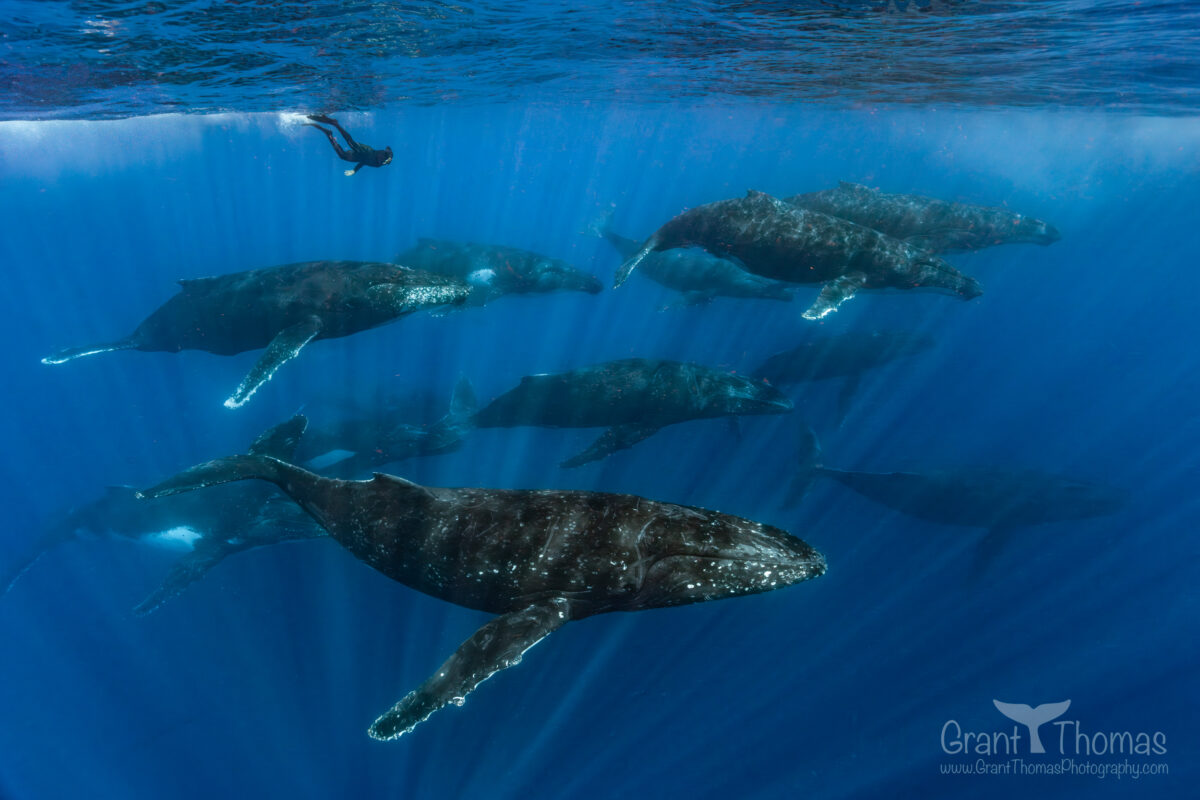
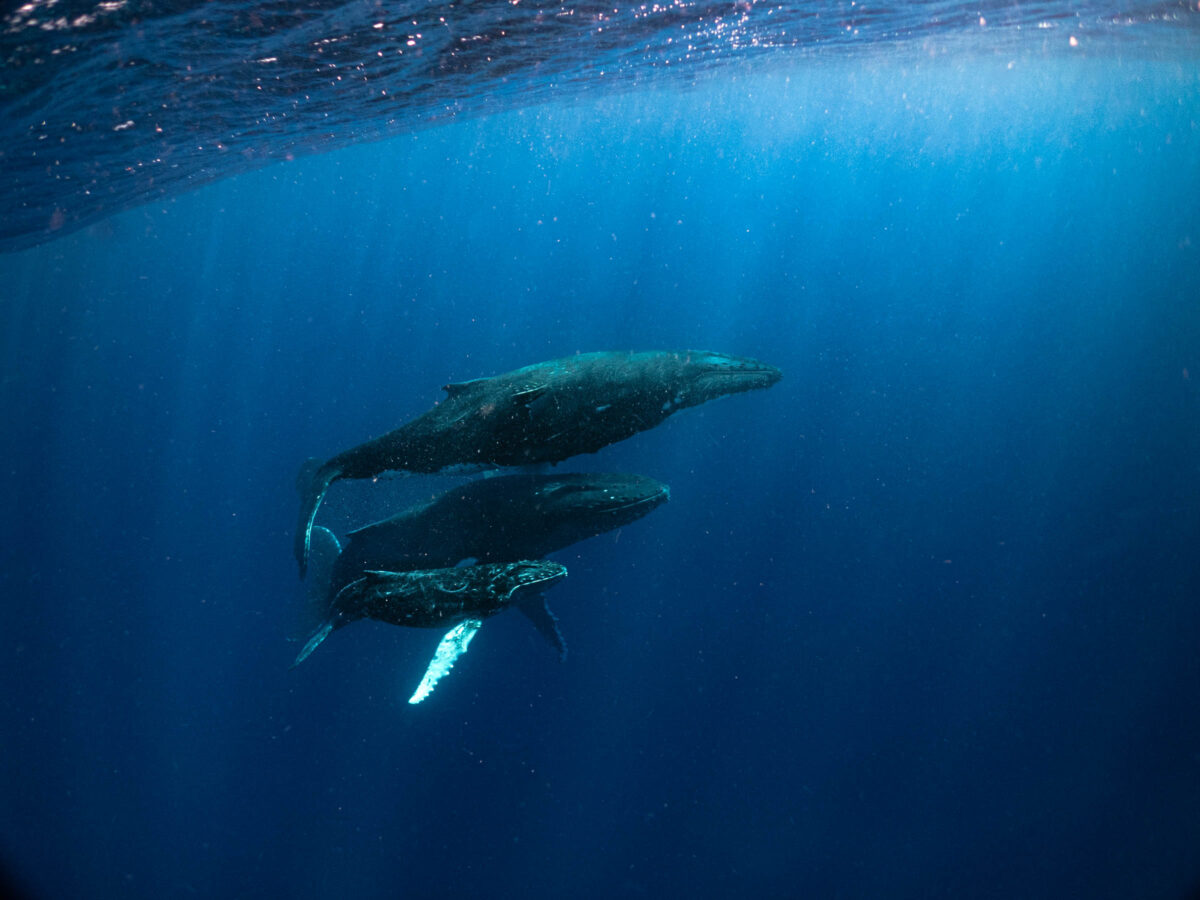
Swimming beside an animal nine times your size isn’t something you do every day, but in Tonga, it can become a reality. Humpback whales are migratory animals; they spend most of the year feeding in polar waters, then migrate to warmer regions to breed during winter. In Mexico, for example, whales from Alaska arrive every winter to rest and give birth along our coasts. When I learned that only a few places in the world allow people to swim with humpbacks, I was immediately intrigued, I knew I had to experience it for myself.
In September, I traveled to Vava’u, Tonga, where I was hosted by the amazing team of Swimming with Gentle Giants (SWGG), a company founded by photographer Scott Portelli. I had the opportunity to shadow his team for a month and learn how whale tourism operates in Tonga. I discovered the strict regulations that boat operators and tourists must follow, learned more about whale biology and behavior, and gained insight into how a tourism company functions, including all the behind-the-scenes efforts guests rarely see.
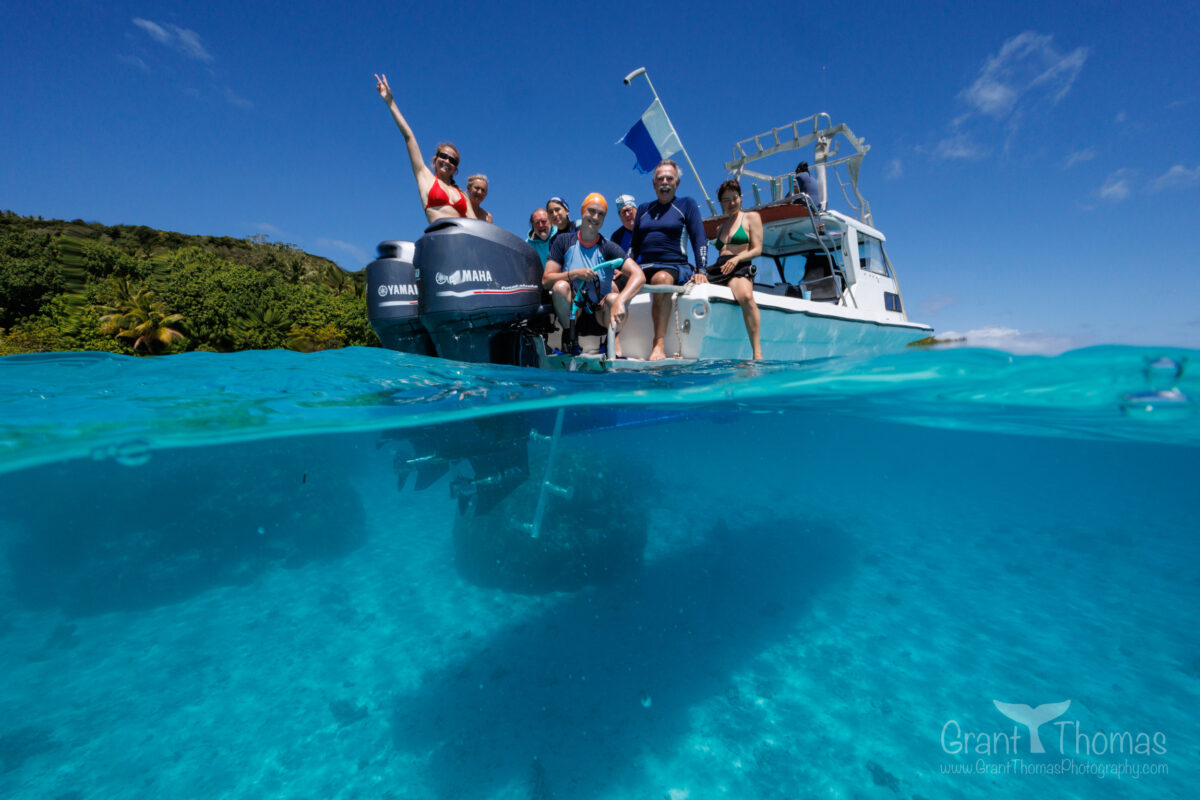
SWGG isn’t just another whale-swimming operator. Their mission goes beyond tours– they aim to educate guests and promote marine conservation. I helped give talks about whale biology and coral reefs, and I loved chatting with guests, sharing fun facts, and answering questions. A few guests personally thanked me, saying the talks helped them understand and appreciate marine life more deeply. One woman told me she hadn’t realized that corals are animals and that learning this changed her perspective entirely. Comments like these reminded me of the real impact of sharing knowledge.
I also contributed to SWGG’s collaboration with Happy Whale, a platform that uses photos of whale flukes to identify individuals and track their movements for research. Every humpback whale has a unique fluke pattern, like a fingerprint. By submitting photos, we help scientists better understand whale populations and migration routes.
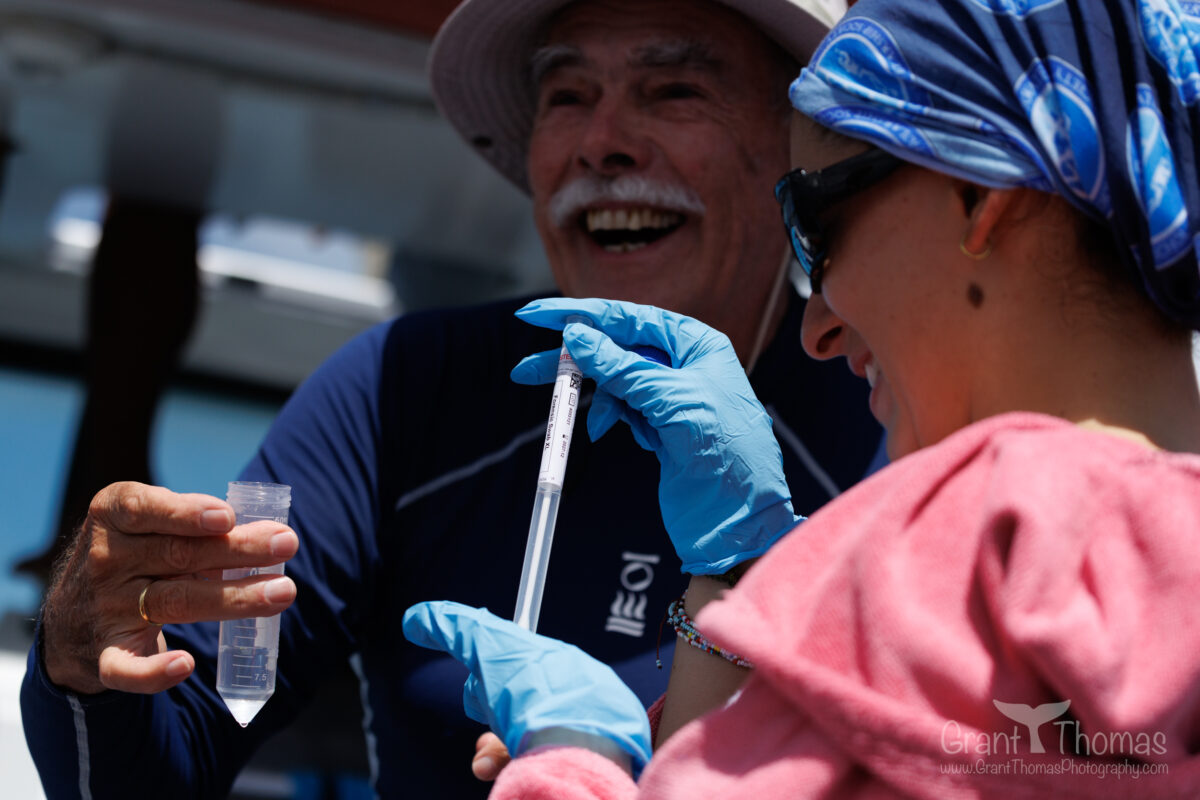
Another project I assisted with was Tonga Whales, a pilot research initiative led by Zuzu Askin, the 2021 European Rolex Scholar, in collaboration with Sylvia Earle, The Explorers Club, and other scientists and activists. I helped collect data on whale encounters and skin samples. The goal is to encourage more tour operators in the coming years to join this effort to study whale population ecology and dynamics.
Swimming alongside such majestic creatures is an experience I will never forget. Each encounter was different– sometimes peaceful and deeply connective, other times full of adrenaline and awe, but every one of them filled me with joy, gratitude, and wonder. We have so much to learn from whales.
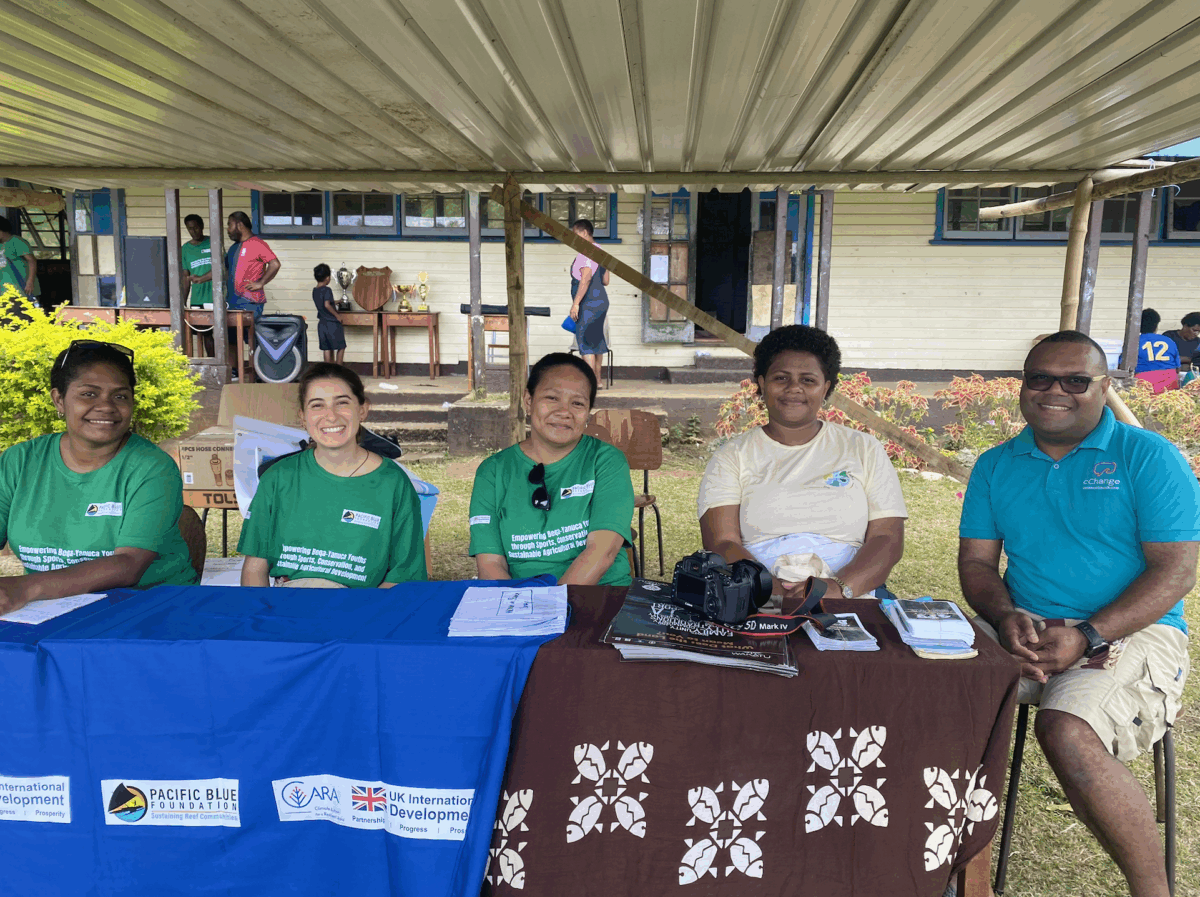
After Tonga, I traveled to Fiji, where I joined the Pacific Blue Foundation (PBF) for their sports and conservation event on Beqa Island. PBF is an NGO that works with local communities, empowering them to protect their regions and natural resources. I was invited to their weekend event, which combined a rugby tournament , a key cultural activity that unites local communities, with conservation initiatives such as mangrove planting, sustainable agriculture, and responsible fishing practices. I was inspired by how creative and community-driven conservation can be.
I also visited Beqa Adventure Divers and joined one of their shark dives. There, I learned about their groundbreaking research and conservation efforts. They helped establish one of Fiji’s first Marine Protected Areas (MPAs), created through collaboration between a private company, a local village, and the government. Their success led to the creation of the Fiji Shark Lab, where Natasha Marosi and her team are making important discoveries about shark populations.
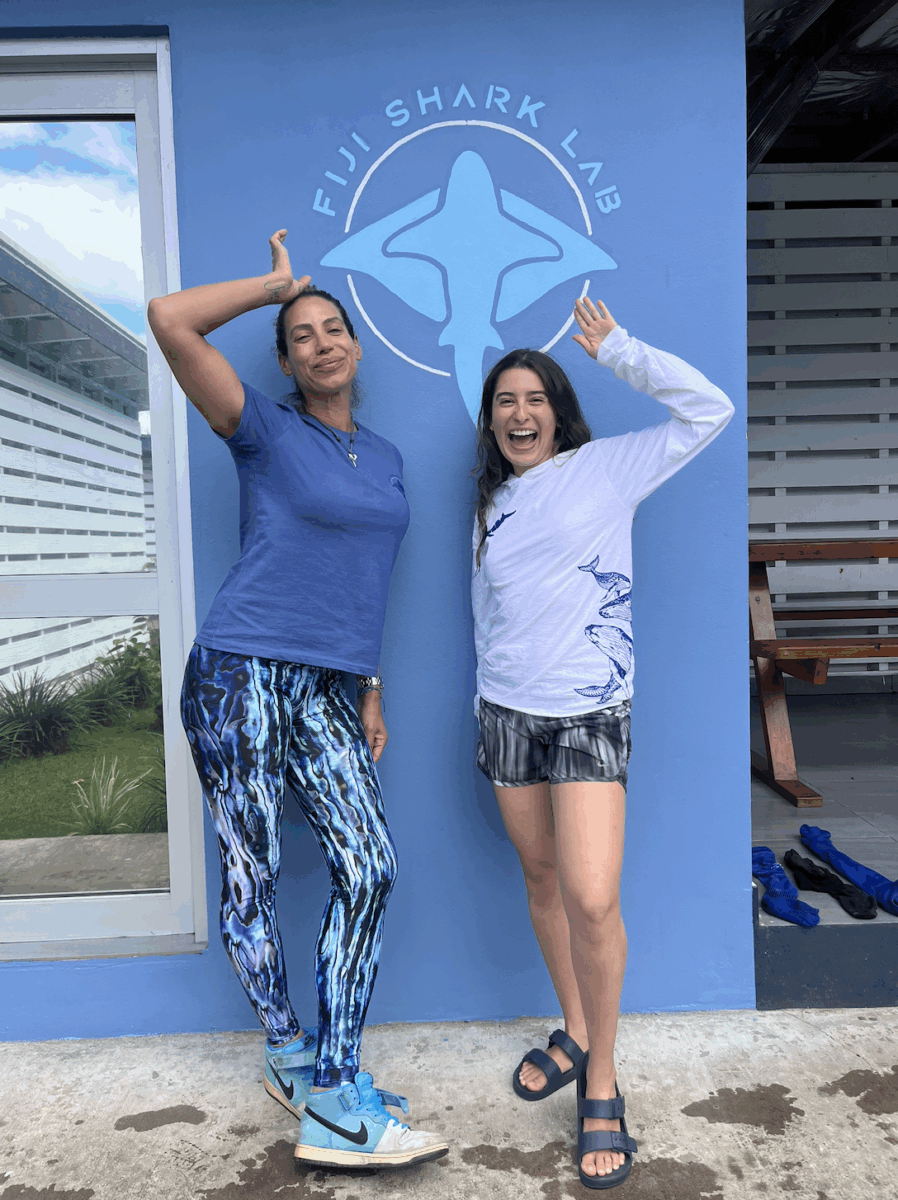
This was my first time in Oceania, and it couldn’t have been better. A huge thank you to Scott Portelli and the entire Swimming with Gentle Giants team, Grant and Sara, for making my time unforgettable. Thank you to the Pacific Blue Foundation, especially Mila, for welcoming me to Beqa Island, and to Andrew Cumming, Natasha Marosi, and the Beqa Adventure Divers team for sharing your incredible work with me. A big thank you to Our World-Underwater Scholarship Society for giving me this dream opportunity. Thank you to all my sponsors: Aqualung, Drysuits Unlimited International (DUI), Faith Ortins/Blue Green Expeditions, Fourth Element, and Backscatter for giving me the gear and tools I will need during my year.
