I jump from the boat and enter the crystal blue water. I descend with the group and start swimming, following the divemaster. A minute passes, and I see a very recognizable silhouette: a shark, but not just a shark, a tiger shark, one of the most feared predators in the ocean. A rush of adrenaline runs through my body. We keep swimming, and as the minutes pass, more and more sharks appear. The divemaster indicates to lie on the sand and wait; the spectacle is about to start. This scene, for many people, may appear as one in a horror movie, but for many other shark enthusiasts and me, it is a dream come true. Tiger sharks swim in front of us just a couple of meters away; they are so big and beautiful, and I am in full awe.
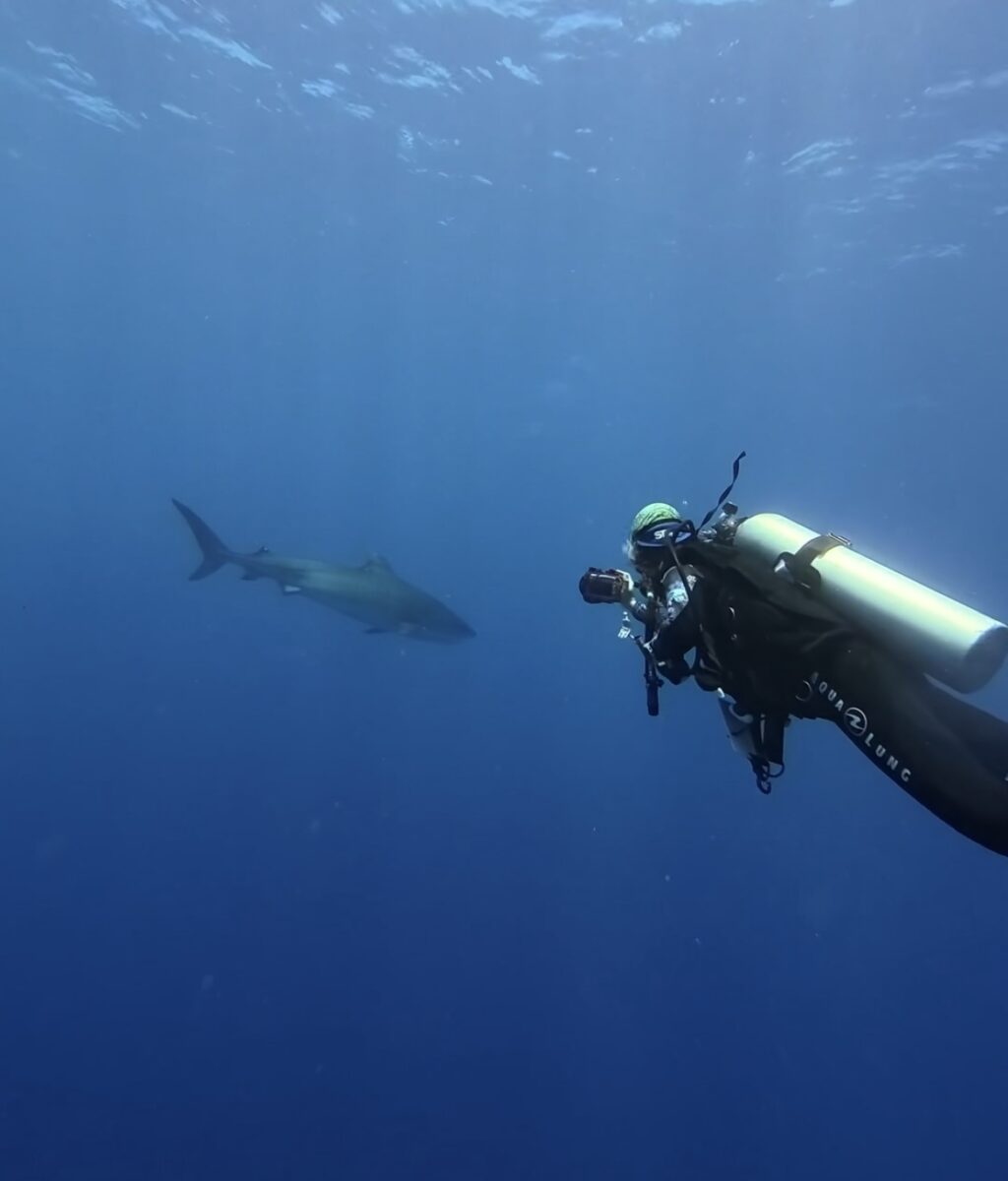
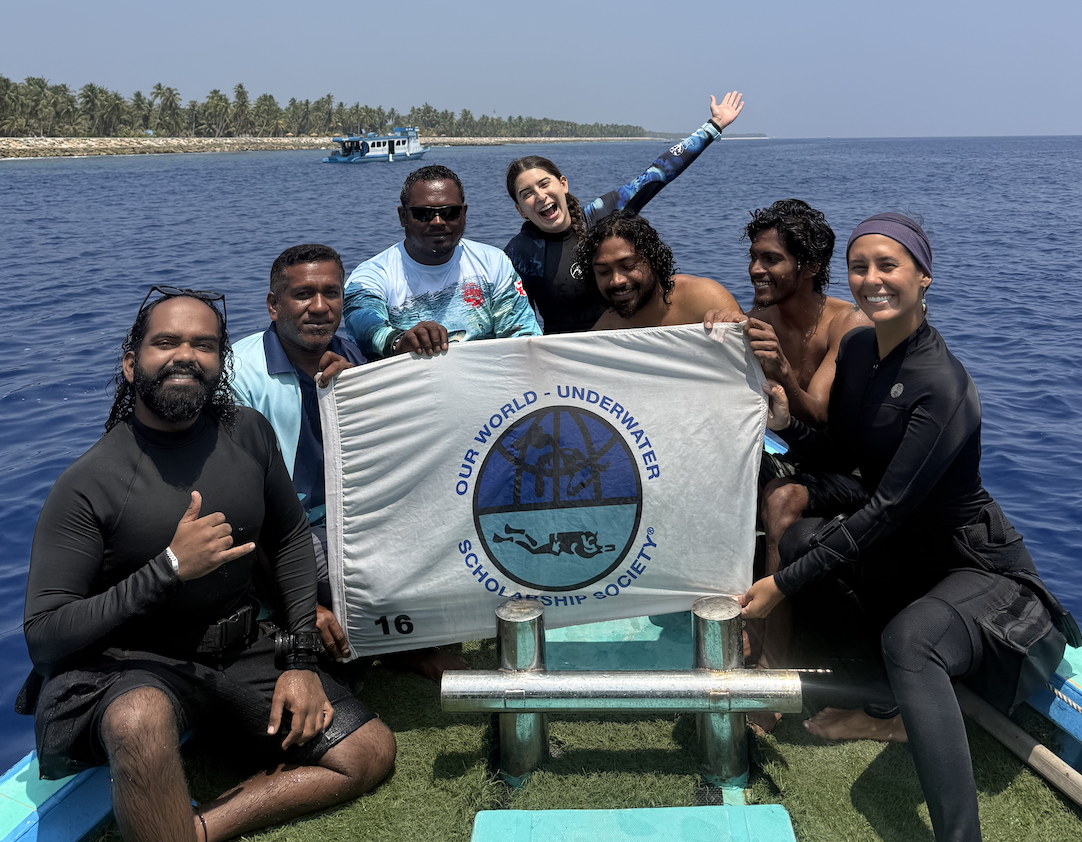
After 40+ hours of travelling across the globe, I made it to The Maldives, an island nation in the Indian Ocean, famous for its turquoise waters and white beaches. But I did not come here for holidays; I came to learn about the marine megafauna research that is happening here. My first stop was the island of Fuvahmulah, where I visited 2022 European Scholar Arzucan “Zuzu” Askin. After her scholarship year, she moved to the Maldives, and with other colleagues, she founded the first shark NGO in the country, Miyaru. Since then, she has been researching sharks and helping with their conservation in the region.
Fuvahmulah is famous for its shark population around the island, and in recent years the shark diving tourism has boomed. It is one of the only places in the world where you can see tiger sharks that close and with amazing visibility. Other sharks you can see there are white tips, black tips, reef sharks, whale sharks, and even thresher sharks! The experience is insane and so incredible. During my time there, I got to be an intern and help Miyaru with their research and dive with Oceanic Nomad Divers. During the dives, I helped take pictures of the tiger sharks, and in the afternoons, I helped to photo ID them. I learned that every shark has a unique pattern that makes them recognizable, and now, with the constant efforts, they have identified more than 300 resident sharks. The first time it was very hard for me to recognize each shark from another, but with practice, I was surprised how I began to identify them, even during the dives!
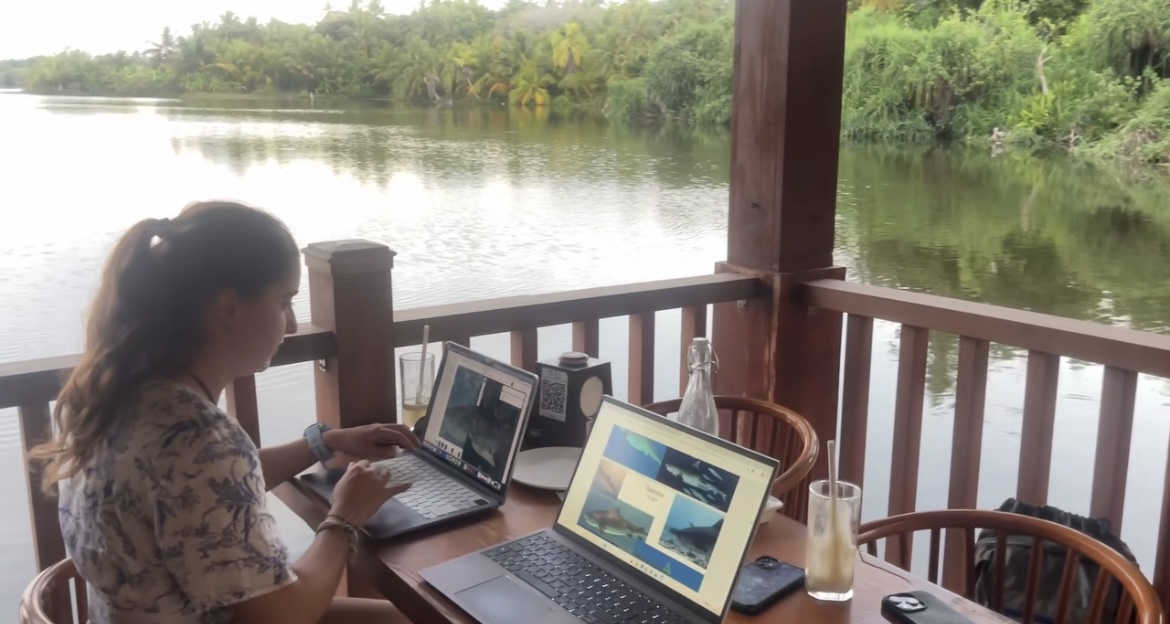
During my time with Miyaru I learned about their other research and their conservation work. The Maldives have been a shark sanctuary for many years, but last year it was approved to fish deep sharks. They are fished due to their rich squalene liver oil that is used in many cosmetics and vitamins. Sharks are also fished to sell their meat and fins. This happens all over the world, and the shark populations are decreasing. Sharks play a key role in ecosystem health as top predators, and if they disappear, the food chain would collapse. Miyaru is fighting to protect all sharks in the Maldives and hopefully more countries could follow their example.
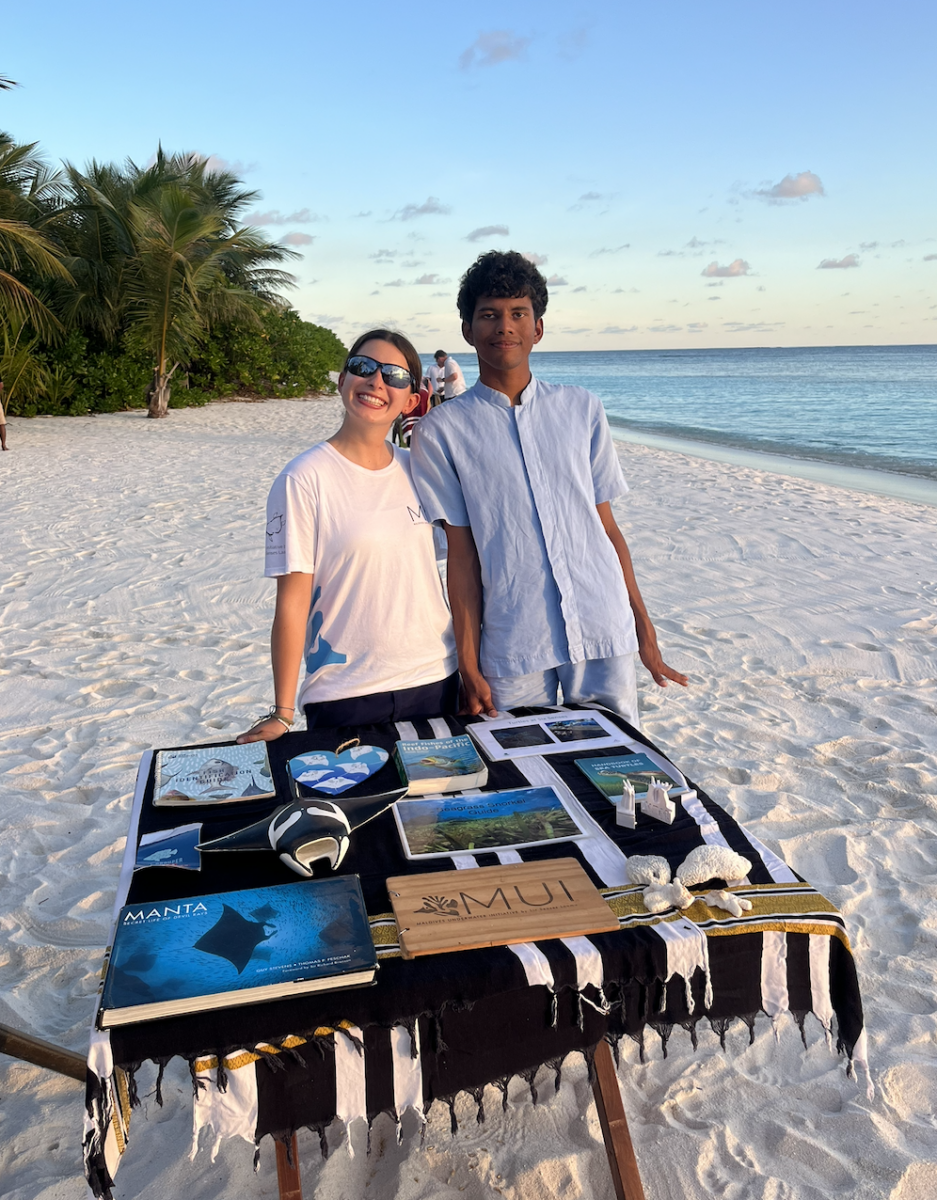
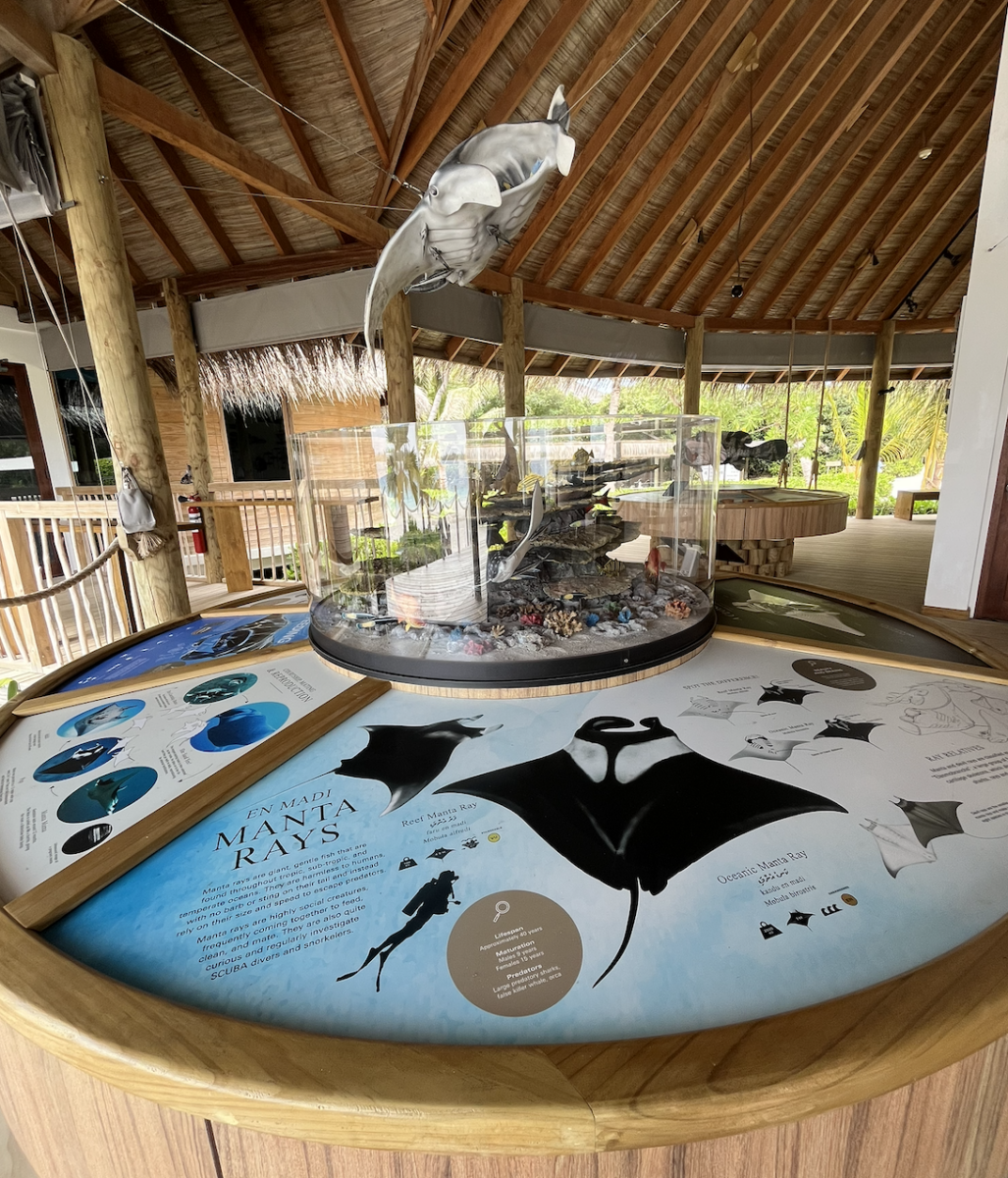
After two weeks, I flew to Laamu Atoll to the Six Senses Resort. There I met Marteyne van Well, who is the Regional Manager of the resort. In the past, she helped the photography interns, Owen Bohorst and Jemma Paradise, and this time she invited me to learn more about their conservation work at the resort. Six Senses Laamu built a Sea Hub of Environmental Learning in Laamu (The SHELL); this is a whole building destined for research and marine conservation. There, the Maldives Underwater Initiative (MUI) works together, where researchers and various NGOs collaborate to protect the marine environment, focusing on turtles, mantas, coral reefs, seagrass, sharks, fish, and mangroves. Another objective of The SHELL is to help share educational information with guests, from children to adults, and get them involved in various activities.
Everyone who visited the SHELL learned something. There are different modules with interesting information and interactive rooms where guests could experience the ocean in a fun way.
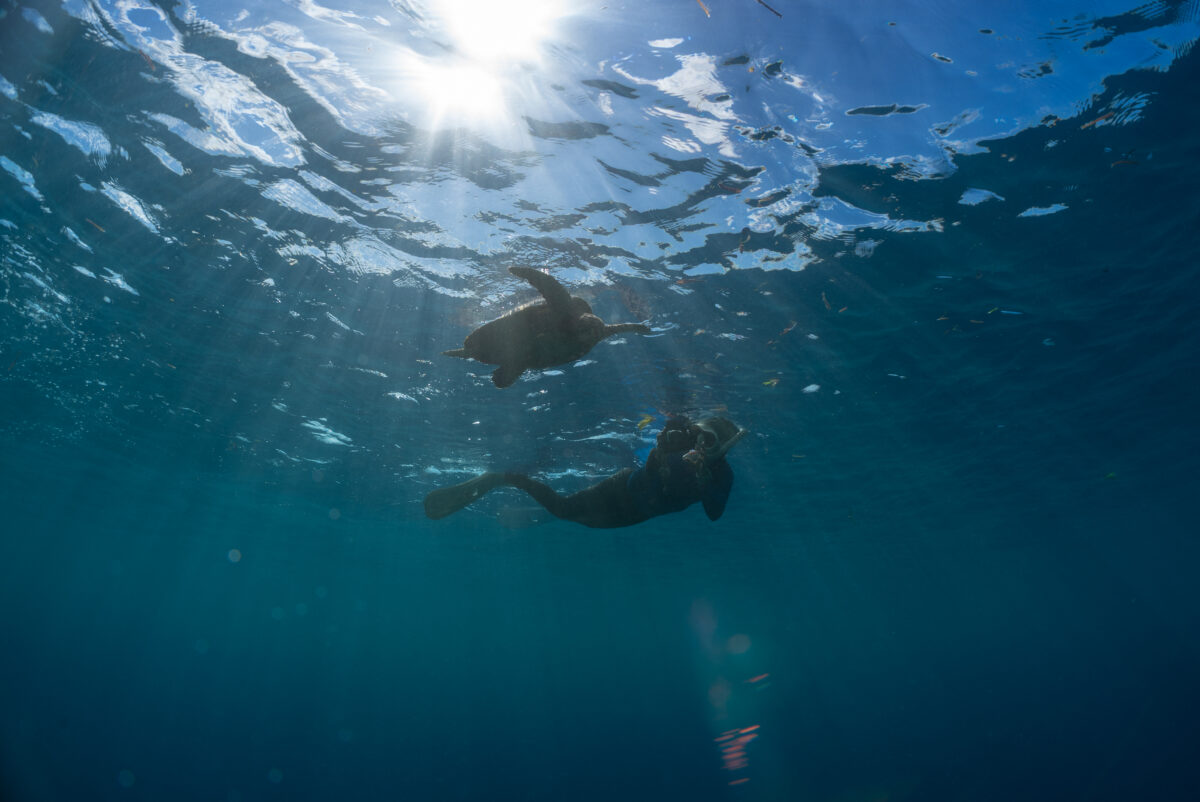
I got to learn from each of the projects and participated in different activities. Some of the most relevant were helping with the turtle nest watch and observing the nest hatches. I dived and helped with manta, turtle, and coral surveys. I learned how to microfragment corals for reef restoration purposes. I participated in the deployment of Baited Remote Underwater Video Stations (BRUVS) and helped in guest educational activities like reef and seagrass snorkels, as well as dolphin educational cruises. It was amazing to learn how a resort can be so involved in education and conservation and that it can truly make a difference. I learned how important seagrass ecosystems are– they produce oxygen, store carbon, are critical nursery habitats for many species, and they protect coastlines from erosion. But even with their importance, many resorts in the Maldives destroy them to give tourists the image of crystal turquoise waters. Six Senses Laamu is one of the few resorts that are actively protecting these key ecosystems.
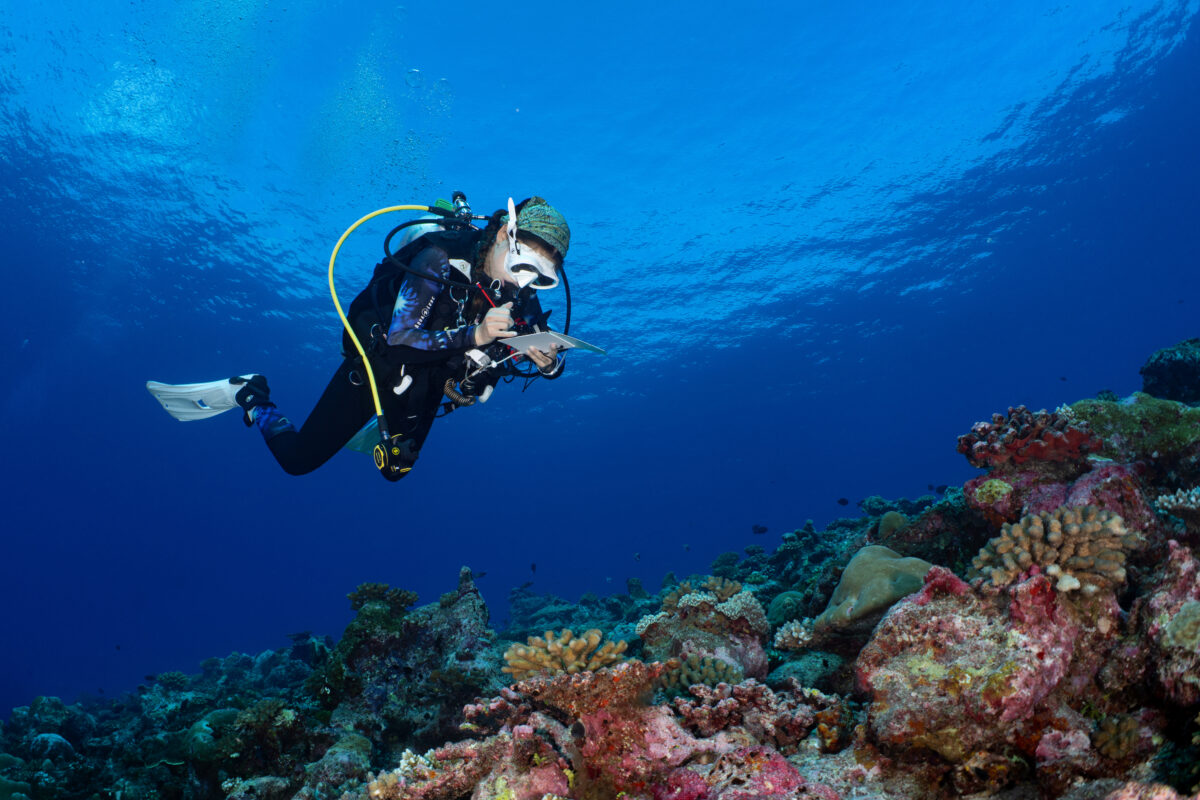
Working in a resort like Six Senses was a very unique experience for me, because I had never worked in a hospitality environment, and I learned so much. It was a lot of fun to be able to engage with guests and encourage conservation in a profound way.
Thank you so much to all the MUI team who welcomed me and taught me so much: Gyselle, Nisha, Laura, Hadin, Juliette, Abby, Meli, Fithu, Aslam, Nishad, Harper, Owen and Jemma. Thank you so much, Marteyne van Well, for your enormous hospitality. Thank you, Zuzu and Ricky and all the team for all your help and kindness.
Thank you, Our World-Underwater Scholarship Society for giving me this dream opportunity. Thank you to all my sponsors: Aqualung, Drysuits Unlimited International (DUI), Fourth Element, and Backscatter for giving me the gear and tools necessary for my year.
